The Difficulty of Apologizing: Why Saying “I’m Sorry” Is So Hard
- posted: Feb. 22, 2025
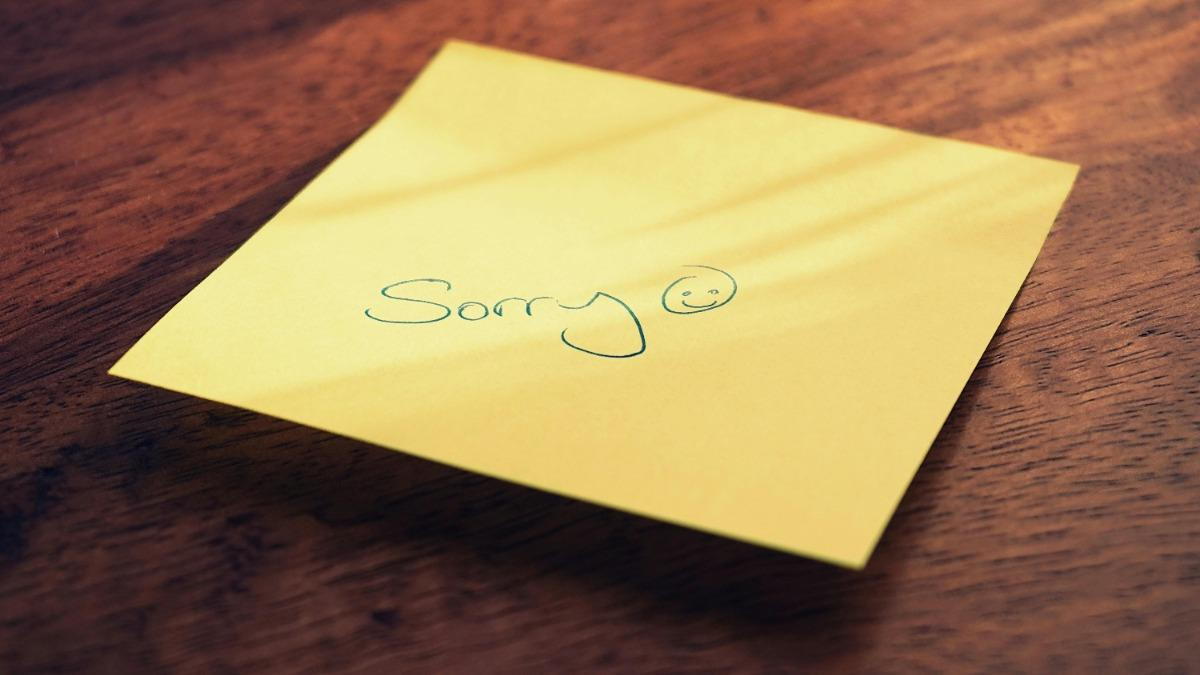
Apologizing seems simple—just two words: I’m sorry. Yet, for many people, offering a sincere apology can feel like an impossible task. Why is it so difficult to admit when we’re wrong? Why do we struggle with taking responsibility, even when we know we’ve hurt someone?
In this blog, we’ll explore the psychological, emotional, and social barriers that make apologizing so challenging and how we can move toward meaningful, genuine apologies.
The Psychological Barriers to Apologizing
Apologies require us to confront our mistakes, which is easier said than done. Several psychological factors can make this process difficult:
1. Threat to Self-Identity
Apologizing often feels like admitting personal failure. Many of us see ourselves as “good” people, and acknowledging that we’ve hurt someone can challenge that self-perception. Instead of seeing a mistake as a single action, we may internalize it as a statement about our character.
Example: If you forgot a friend’s birthday, admitting fault might make you feel like a bad friend—even though forgetting a date is a human mistake, not a defining trait.
2. Fear of Consequences
Owning up to a mistake can open the door to negative reactions. We may fear rejection, anger, or losing respect from others. In some cases, the fear of consequences—such as punishment, loss of credibility, or legal ramifications—makes apologizing feel too risky.
Example: A manager might avoid apologizing for a workplace mistake because they fear it could be seen as incompetence and affect their reputation.
3. Pride and Ego
Let’s be honest—sometimes, pride gets in the way. Apologizing requires humility, and for some, it feels like a loss of power or an admission of weakness. The more invested we are in being “right,” the harder it is to back down.
Example: In a heated argument, apologizing first may feel like “losing” the fight, even if deep down, you know you were wrong.
The Emotional Weight of Apologies
Beyond logic and self-image, apologizing is emotionally difficult because it stirs up uncomfortable feelings:
1. Shame and Guilt
Apologies force us to sit with feelings of guilt and shame—two of the most painful human emotions. Guilt tells us we’ve done something wrong, while shame makes us feel like we are wrong. The latter can be so overwhelming that instead of apologizing, we deflect, deny, or justify our actions.
Example: If you accidentally hurt someone’s feelings with a joke, guilt may push you toward an apology, while shame may lead you to say, “You’re too sensitive” instead of admitting fault.
2. Emotional Vulnerability
Apologizing puts us in a vulnerable position. We expose our flaws, risk rejection, and leave ourselves open to an unpredictable response. Not everyone is ready to forgive, and the fear of being left hanging can be daunting.
Example: If you apologize to a friend after a falling out, you may fear that they’ll refuse to accept it, leaving you feeling even worse.
3. Lack of Emotional Awareness
Sometimes, people struggle to apologize simply because they don’t fully understand their emotions—or the emotions of the person they’ve hurt. If someone lacks empathy or struggles with emotional regulation, they may not recognize the need for an apology in the first place.
Example: A person who grew up in an environment where apologies were rare may not have developed the skills to express remorse effectively.
The Social and Cultural Dimensions of Apologizing
Apologies don’t happen in a vacuum. Social norms and cultural influences shape how we view admitting fault:
1. Power Dynamics
In certain relationships, apologizing can be tied to power. Some people fear that saying “I’m sorry” will make them appear weak, especially in competitive environments like workplaces or toxic relationships.
Example: A boss may hesitate to apologize to an employee because they believe it undermines their authority.
2. Cultural Influences
Different cultures have different approaches to apologies. In some cultures, apologizing is seen as a sign of respect, while in others, it may be avoided to “save face.”
Example: In Japan, apologizing is deeply ingrained in social etiquette, while in some Western cultures, people may be more hesitant to admit fault to avoid liability.
3. Social Stigma Around Mistakes
In societies that glorify perfection and success, admitting mistakes can be seen as a sign of failure rather than a sign of growth. This pressure can discourage people from apologizing, even when they know they should.
Example: Celebrities and politicians often struggle with issuing sincere apologies because public perception and reputation management are at stake.
How to Overcome the Difficulty of Apologizing
While apologizing can be challenging, it’s a crucial skill that strengthens relationships and builds emotional maturity. Here are some ways to make apologizing easier:
1. Separate Your Actions from Your Identity
Making a mistake doesn’t make you a bad person. Instead of thinking, “I’m a terrible friend,” reframe it as, “I made a mistake, but I can make it right.”
2. Focus on Repairing, Not Defending
An apology isn’t about proving you’re not a bad person—it’s about acknowledging harm and making amends. Try to shift the focus from protecting your ego to healing the relationship.
3. Accept That Vulnerability Is Strength
Apologizing takes courage. Instead of seeing it as a loss of power, recognize it as a sign of emotional strength and maturity.
4. Learn to Apologize Effectively
A good apology consists of three key elements:
- Acknowledging the harm caused (“I realize my words hurt you.”)
- Expressing genuine remorse (“I truly regret my actions.”)
- Offering to make amends (“I’ll make sure this doesn’t happen again.”)
Avoid fake apologies like:
- Deflecting: “I’m sorry if you were offended.”
- Justifying: “I had a bad day, that’s why I said that.”
- Minimizing: “It’s not a big deal, let’s move on.”
5. Practice Self-Compassion
If guilt or shame is holding you back, remind yourself that everyone makes mistakes. Apologizing doesn’t mean you’re unworthy—it means you’re growing.
Final Thoughts: The Power of a Sincere Apology
Though difficult, apologizing is one of the most powerful tools for healing and connection. It requires self-awareness, humility, and courage, but the rewards—restored relationships, inner peace, and personal growth—are well worth it.
The next time you find yourself struggling to say “I’m sorry,” remember: An apology is not a sign of weakness, but a testament to your strength and integrity.
- posted: Feb. 22, 2025
Apologizing seems simple—just two words: I’m sorry. Yet, for many people, offering a sincere apology can feel like an impossible task. Why is it so difficult to admit when we’re wrong? Why do we struggle with taking responsibility, even when we know we’ve hurt someone?
In this blog, we’ll explore the psychological, emotional, and social barriers that make apologizing so challenging and how we can move toward meaningful, genuine apologies.
The Psychological Barriers to Apologizing
Apologies require us to confront our mistakes, which is easier said than done. Several psychological factors can make this process difficult:
1. Threat to Self-Identity
Apologizing often feels like admitting personal failure. Many of us see ourselves as “good” people, and acknowledging that we’ve hurt someone can challenge that self-perception. Instead of seeing a mistake as a single action, we may internalize it as a statement about our character.
Example: If you forgot a friend’s birthday, admitting fault might make you feel like a bad friend—even though forgetting a date is a human mistake, not a defining trait.
2. Fear of Consequences
Owning up to a mistake can open the door to negative reactions. We may fear rejection, anger, or losing respect from others. In some cases, the fear of consequences—such as punishment, loss of credibility, or legal ramifications—makes apologizing feel too risky.
Example: A manager might avoid apologizing for a workplace mistake because they fear it could be seen as incompetence and affect their reputation.
3. Pride and Ego
Let’s be honest—sometimes, pride gets in the way. Apologizing requires humility, and for some, it feels like a loss of power or an admission of weakness. The more invested we are in being “right,” the harder it is to back down.
Example: In a heated argument, apologizing first may feel like “losing” the fight, even if deep down, you know you were wrong.
The Emotional Weight of Apologies
Beyond logic and self-image, apologizing is emotionally difficult because it stirs up uncomfortable feelings:
1. Shame and Guilt
Apologies force us to sit with feelings of guilt and shame—two of the most painful human emotions. Guilt tells us we’ve done something wrong, while shame makes us feel like we are wrong. The latter can be so overwhelming that instead of apologizing, we deflect, deny, or justify our actions.
Example: If you accidentally hurt someone’s feelings with a joke, guilt may push you toward an apology, while shame may lead you to say, “You’re too sensitive” instead of admitting fault.
2. Emotional Vulnerability
Apologizing puts us in a vulnerable position. We expose our flaws, risk rejection, and leave ourselves open to an unpredictable response. Not everyone is ready to forgive, and the fear of being left hanging can be daunting.
Example: If you apologize to a friend after a falling out, you may fear that they’ll refuse to accept it, leaving you feeling even worse.
3. Lack of Emotional Awareness
Sometimes, people struggle to apologize simply because they don’t fully understand their emotions—or the emotions of the person they’ve hurt. If someone lacks empathy or struggles with emotional regulation, they may not recognize the need for an apology in the first place.
Example: A person who grew up in an environment where apologies were rare may not have developed the skills to express remorse effectively.
The Social and Cultural Dimensions of Apologizing
Apologies don’t happen in a vacuum. Social norms and cultural influences shape how we view admitting fault:
1. Power Dynamics
In certain relationships, apologizing can be tied to power. Some people fear that saying “I’m sorry” will make them appear weak, especially in competitive environments like workplaces or toxic relationships.
Example: A boss may hesitate to apologize to an employee because they believe it undermines their authority.
2. Cultural Influences
Different cultures have different approaches to apologies. In some cultures, apologizing is seen as a sign of respect, while in others, it may be avoided to “save face.”
Example: In Japan, apologizing is deeply ingrained in social etiquette, while in some Western cultures, people may be more hesitant to admit fault to avoid liability.
3. Social Stigma Around Mistakes
In societies that glorify perfection and success, admitting mistakes can be seen as a sign of failure rather than a sign of growth. This pressure can discourage people from apologizing, even when they know they should.
Example: Celebrities and politicians often struggle with issuing sincere apologies because public perception and reputation management are at stake.
How to Overcome the Difficulty of Apologizing
While apologizing can be challenging, it’s a crucial skill that strengthens relationships and builds emotional maturity. Here are some ways to make apologizing easier:
1. Separate Your Actions from Your Identity
Making a mistake doesn’t make you a bad person. Instead of thinking, “I’m a terrible friend,” reframe it as, “I made a mistake, but I can make it right.”
2. Focus on Repairing, Not Defending
An apology isn’t about proving you’re not a bad person—it’s about acknowledging harm and making amends. Try to shift the focus from protecting your ego to healing the relationship.
3. Accept That Vulnerability Is Strength
Apologizing takes courage. Instead of seeing it as a loss of power, recognize it as a sign of emotional strength and maturity.
4. Learn to Apologize Effectively
A good apology consists of three key elements:
- Acknowledging the harm caused (“I realize my words hurt you.”)
- Expressing genuine remorse (“I truly regret my actions.”)
- Offering to make amends (“I’ll make sure this doesn’t happen again.”)
Avoid fake apologies like:
- Deflecting: “I’m sorry if you were offended.”
- Justifying: “I had a bad day, that’s why I said that.”
- Minimizing: “It’s not a big deal, let’s move on.”
5. Practice Self-Compassion
If guilt or shame is holding you back, remind yourself that everyone makes mistakes. Apologizing doesn’t mean you’re unworthy—it means you’re growing.
Final Thoughts: The Power of a Sincere Apology
Though difficult, apologizing is one of the most powerful tools for healing and connection. It requires self-awareness, humility, and courage, but the rewards—restored relationships, inner peace, and personal growth—are well worth it.
The next time you find yourself struggling to say “I’m sorry,” remember: An apology is not a sign of weakness, but a testament to your strength and integrity.
CONTACT US

ㅤ